Inside the discovery of a pre-civilization archive whose entire recorded history is a single subject: what people did for one another, when no one was watching.
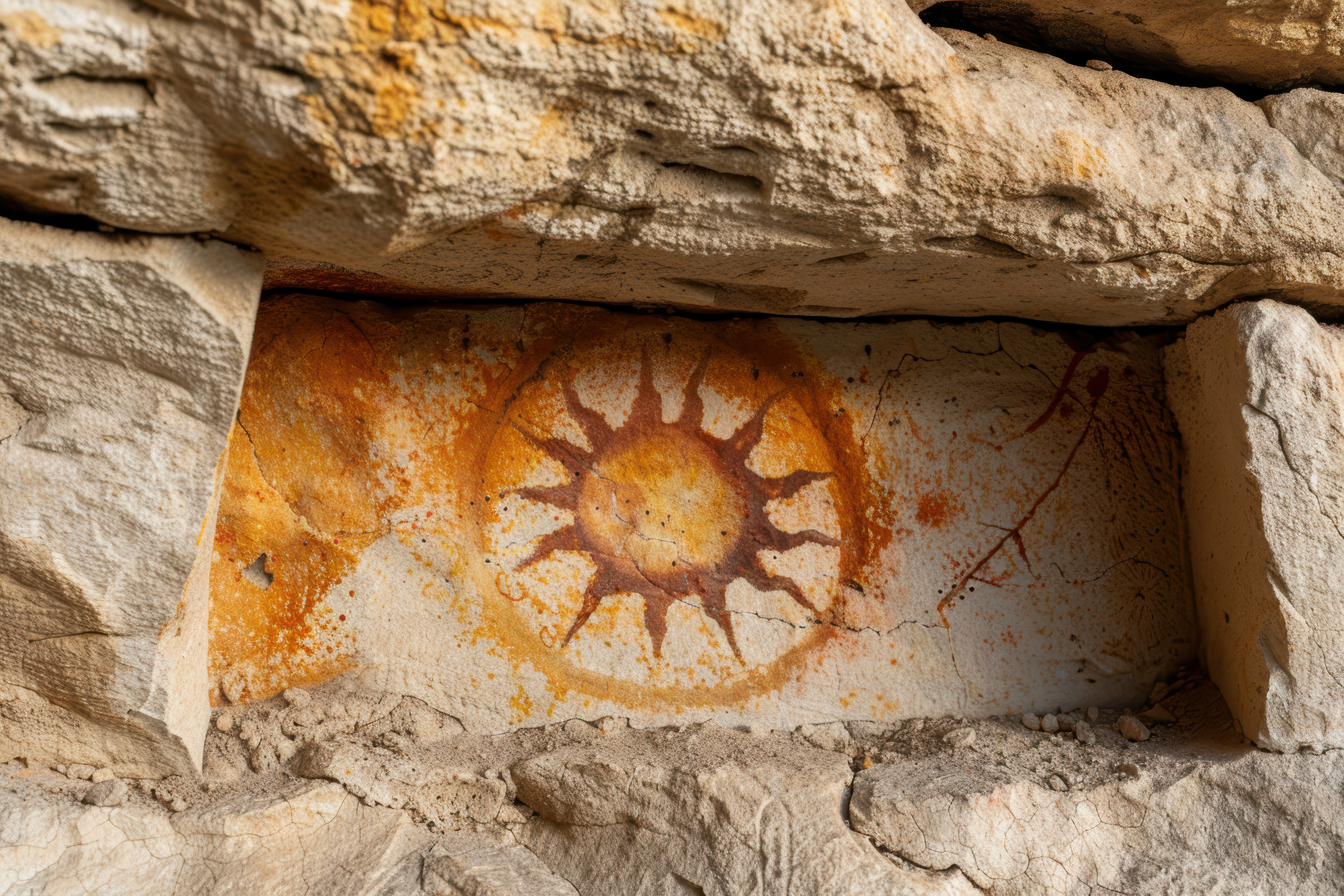
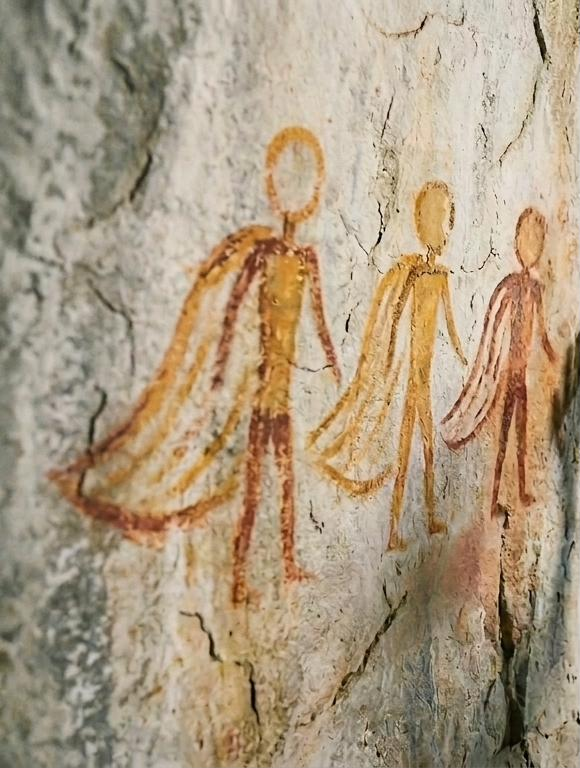
The first morning light had not yet reached the floor of the excavation when Dr. Voss noticed something the site workers had missed for three consecutive days. The pattern of discoloration on the north-facing wall — amber and rust, faint as a whisper — was not weather. It was not geological.
It was, as she would write in her field journal that evening, "the oldest act of record-keeping I have ever seen, and possibly the only civilization in human history whose entire written archive concerns a single subject: what people did for one another, when no one was watching."
The sealed entry was discovered intact. Workers at the site — operating under The Promise — describe the morning of the opening as "quiet in a way that was different from ordinary quiet."
What follows is a preface to a forthcoming volume — the first comprehensive academic record of what has come to be known simply as the Vault. The editors have chosen to publish this preface in advance of the full text because the discovery cannot wait. The world is already changing in its wake.
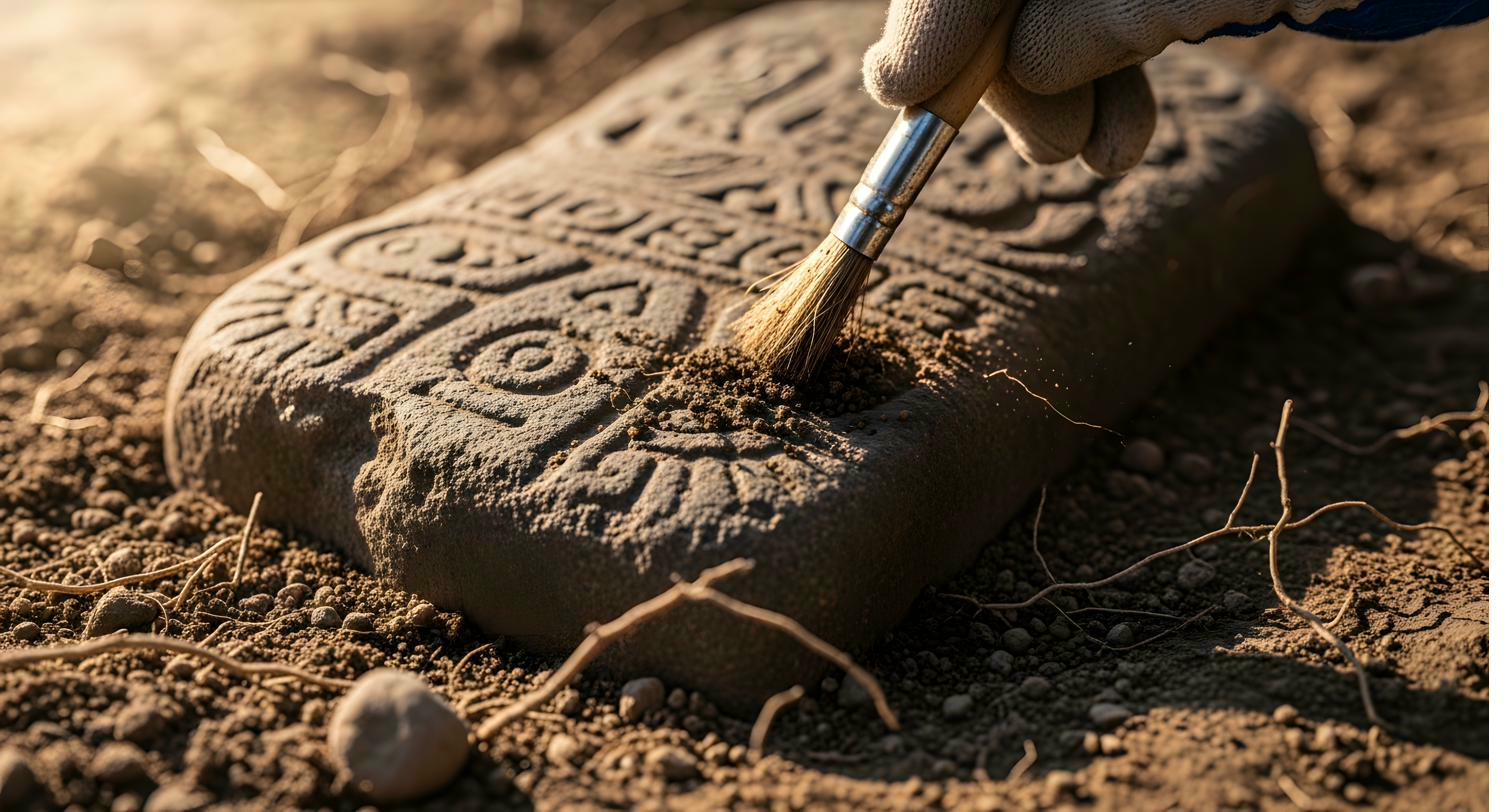
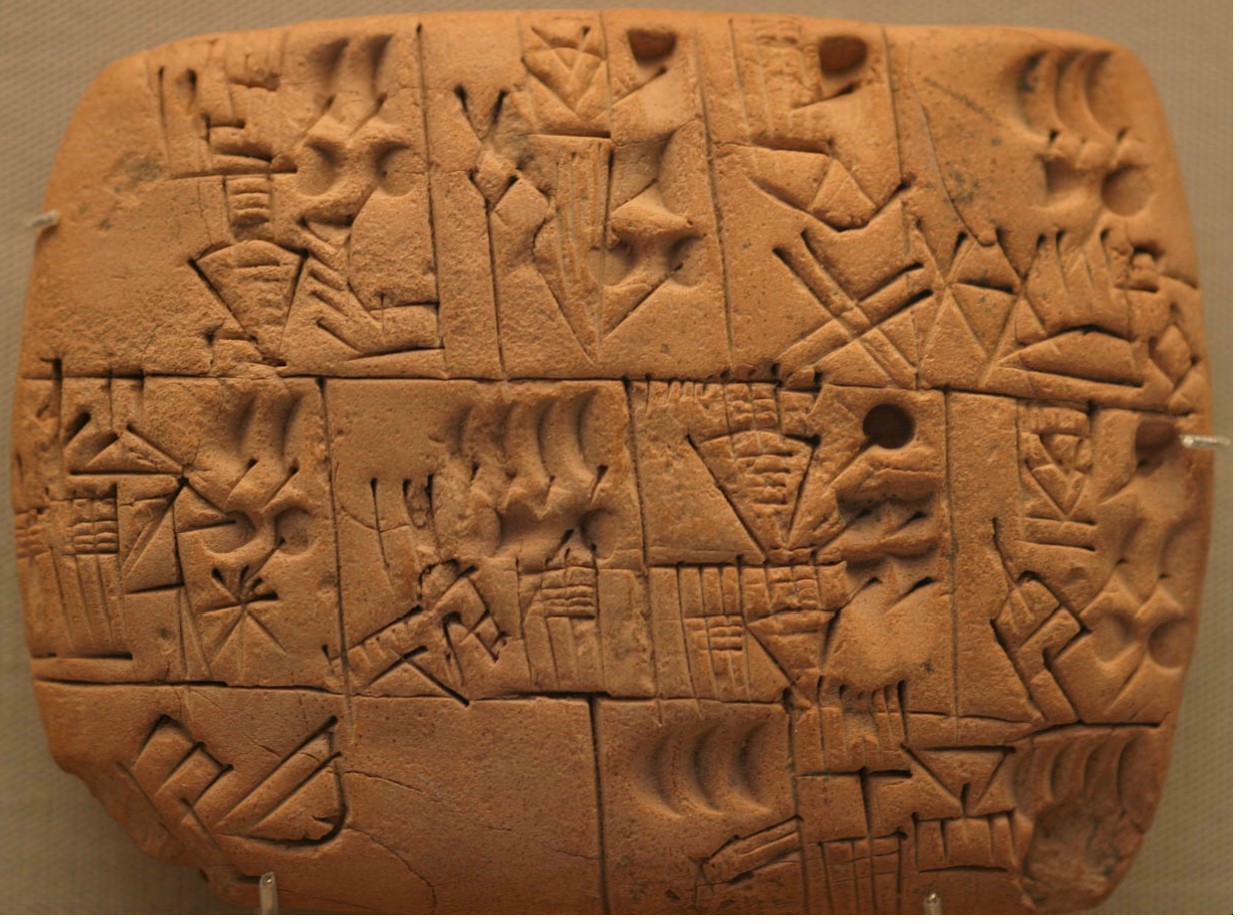
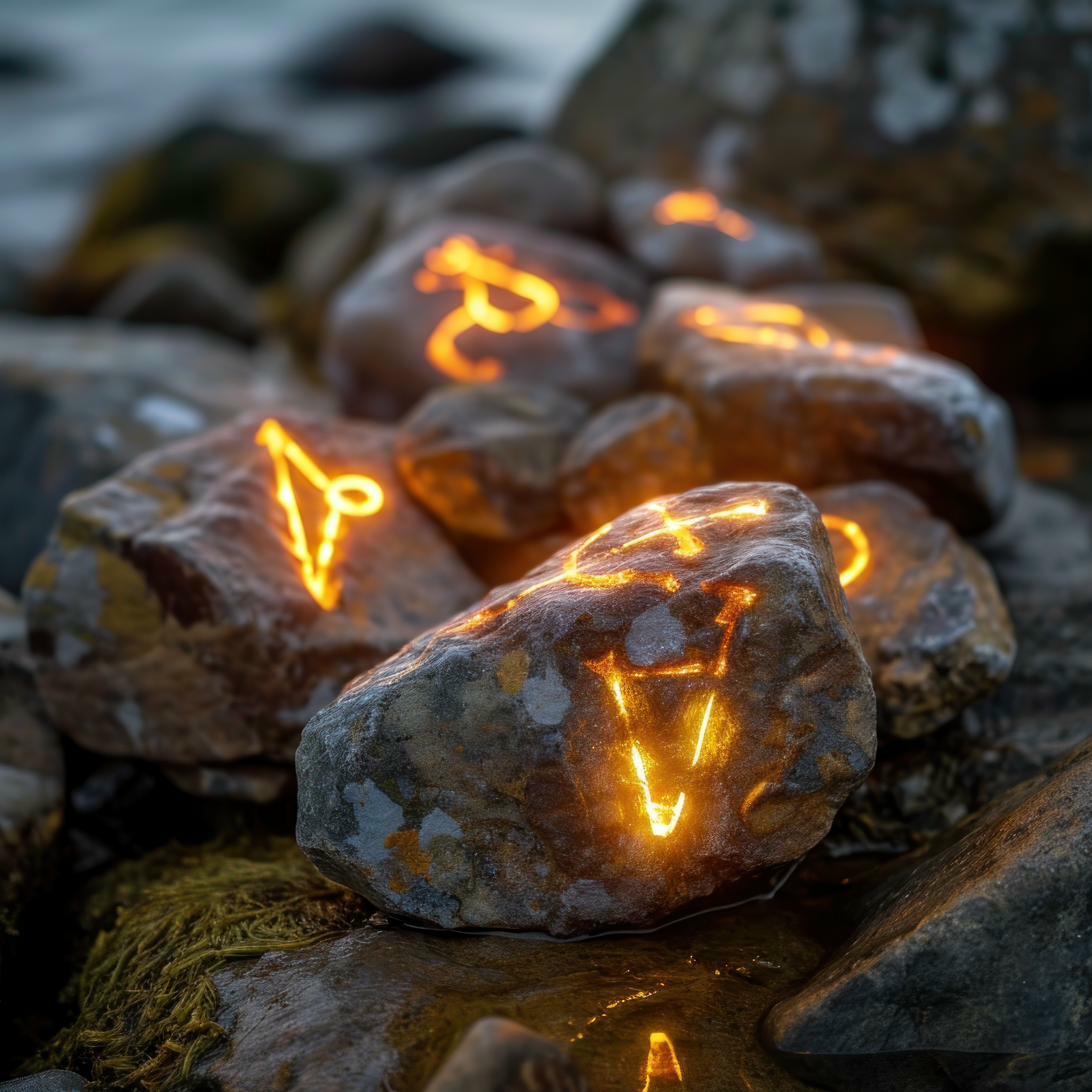
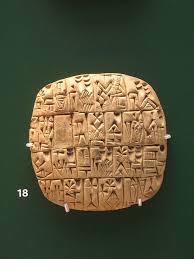
The first tablet, lifted from the earth and cleaned by hand. Day 14.
Compiled by the Archaeological Gazette · pending full translation
"Find what is there. Do not look for who sent you."
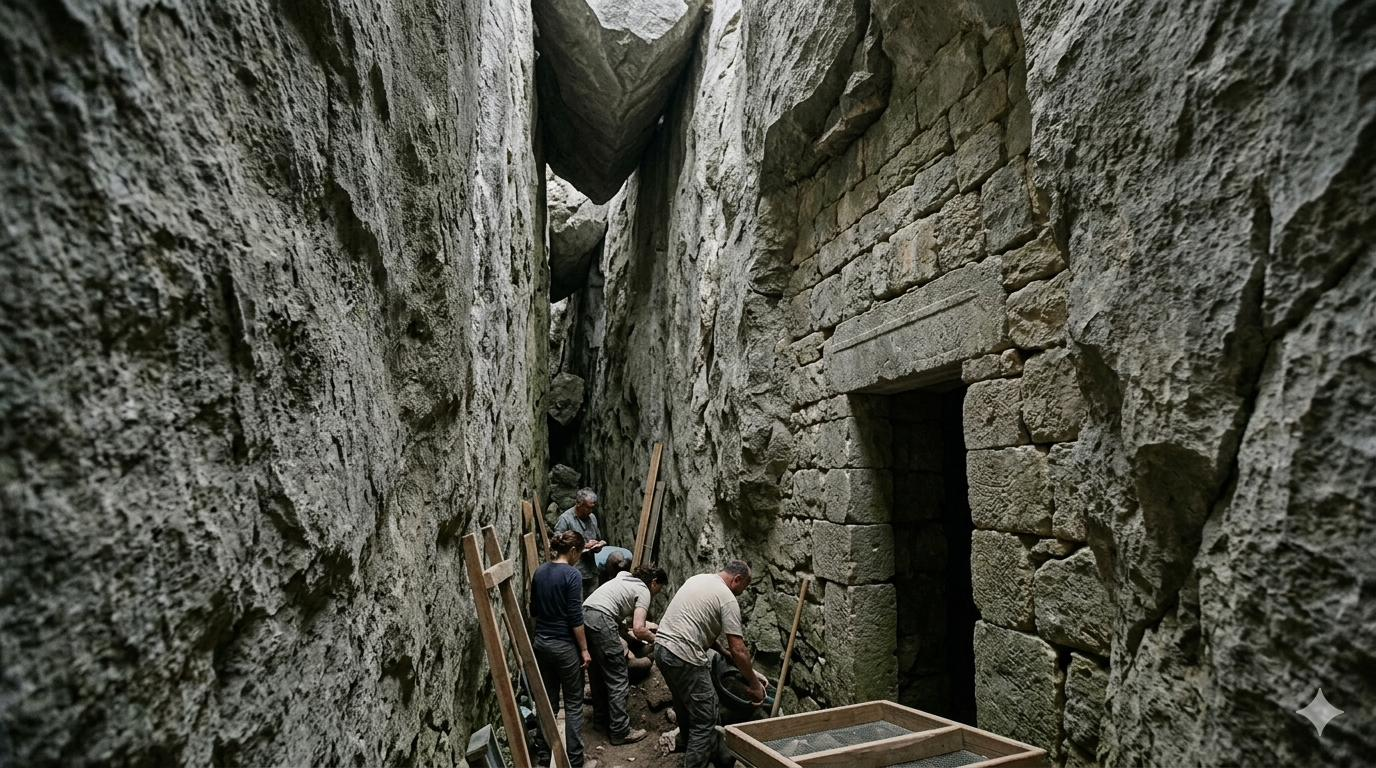
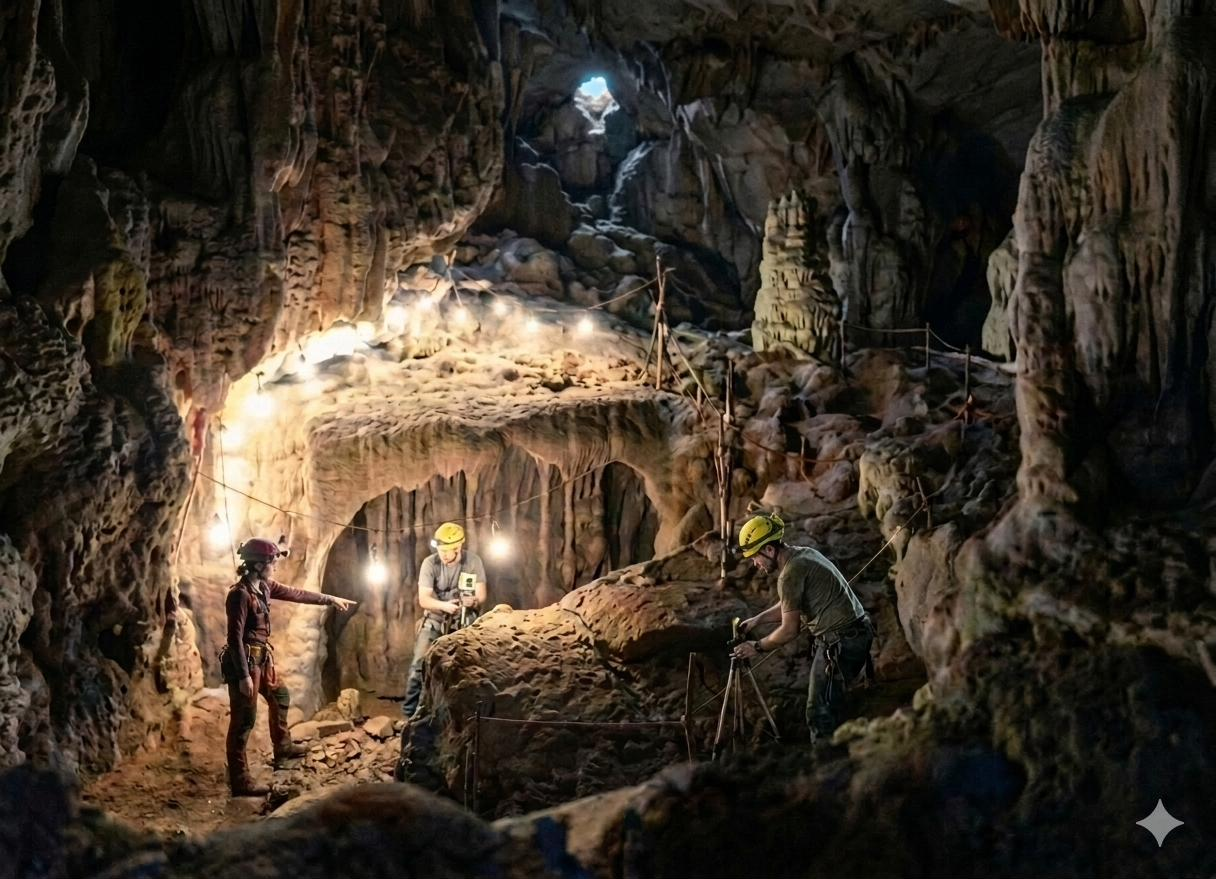
The field crew, before anyone knew what was inside.
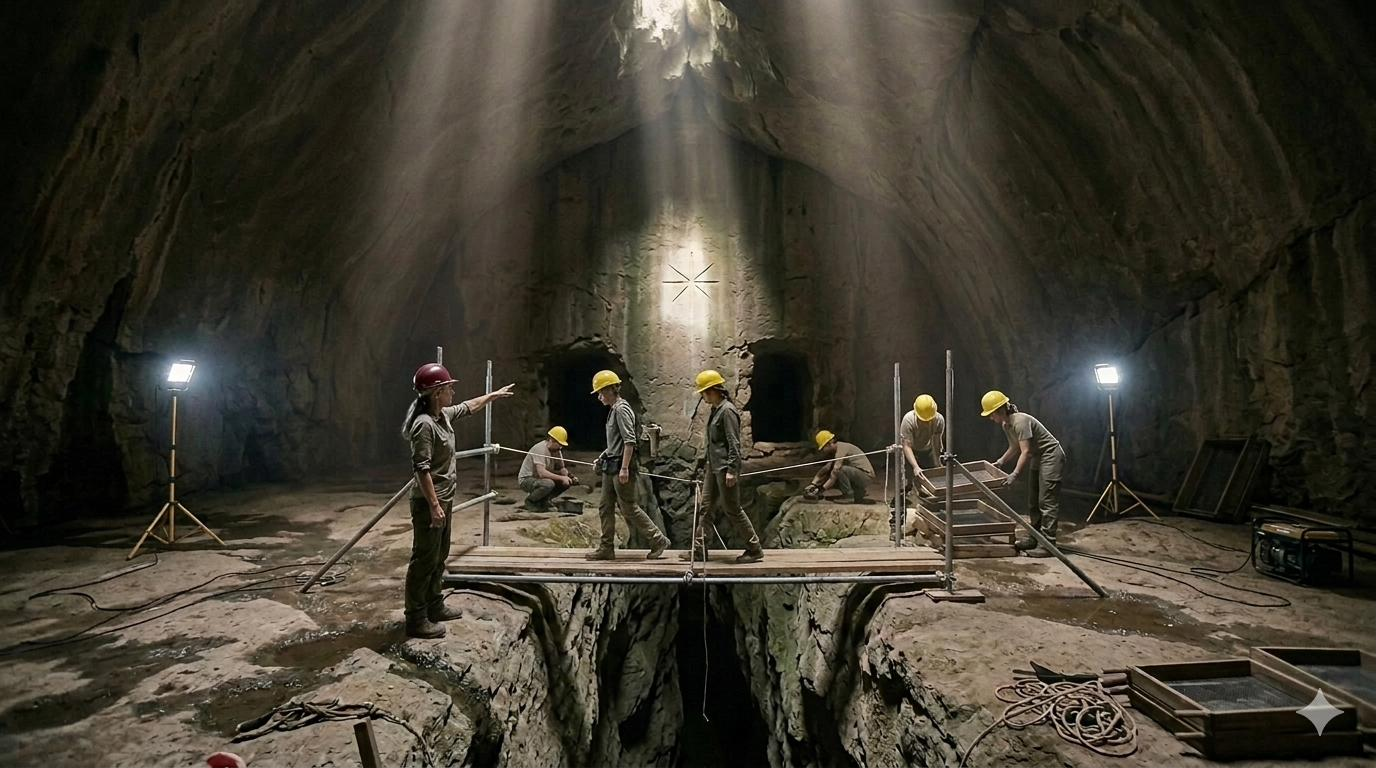
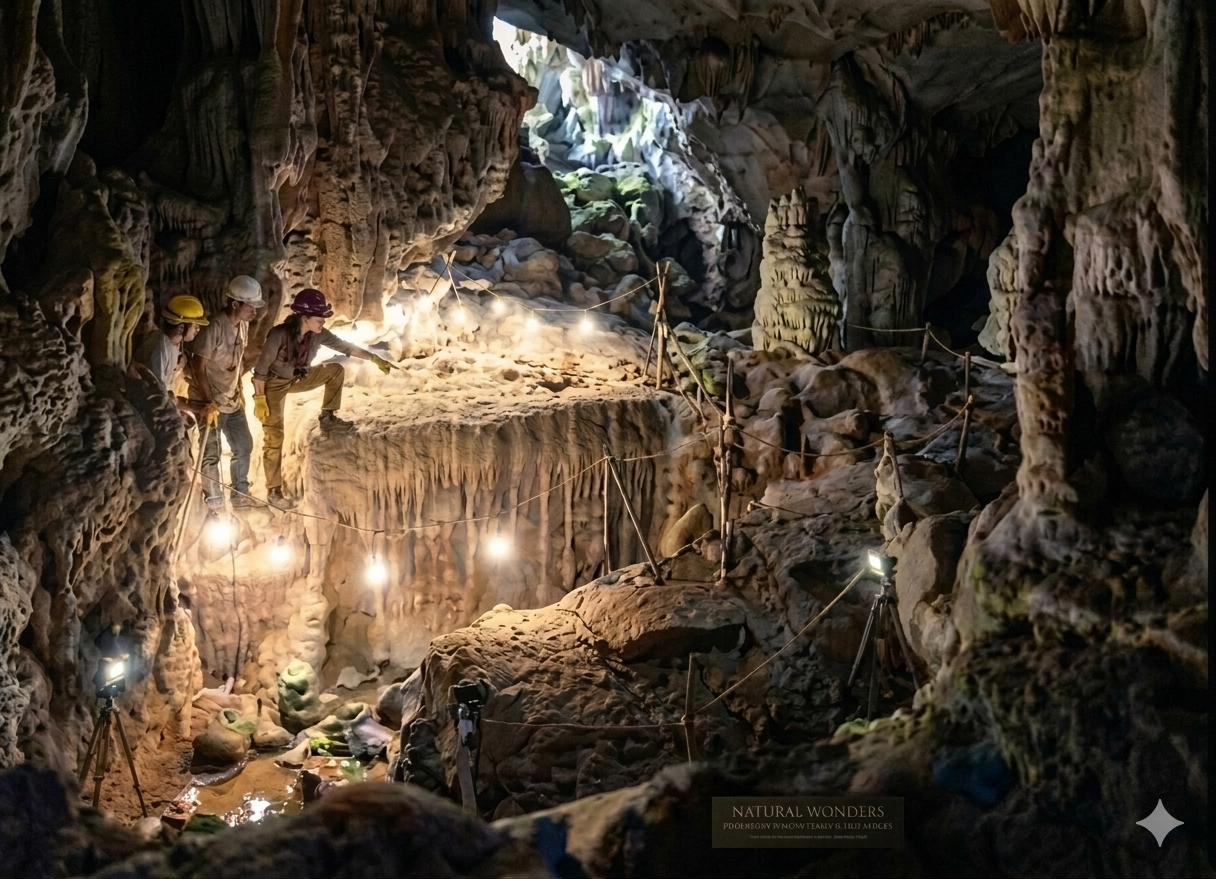
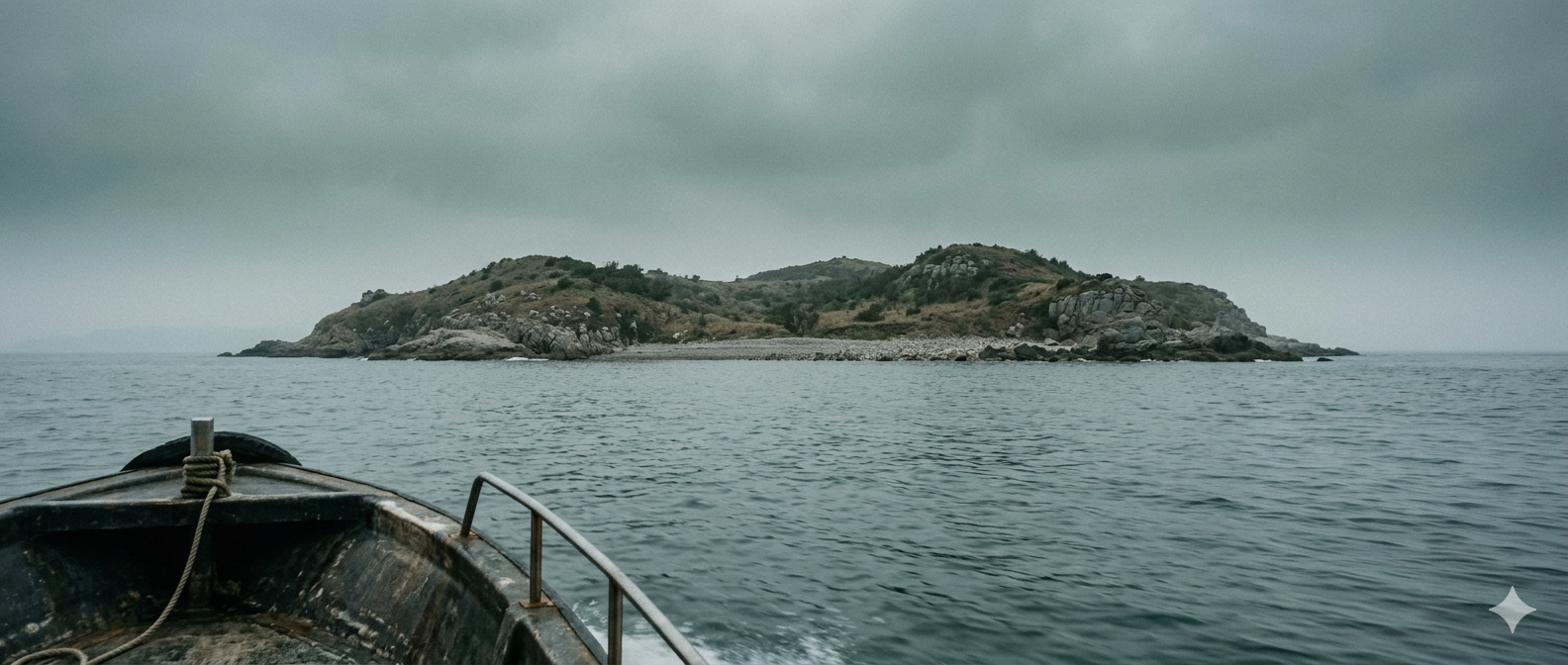
Building the bridge to the cave mouth. There was no other way in.
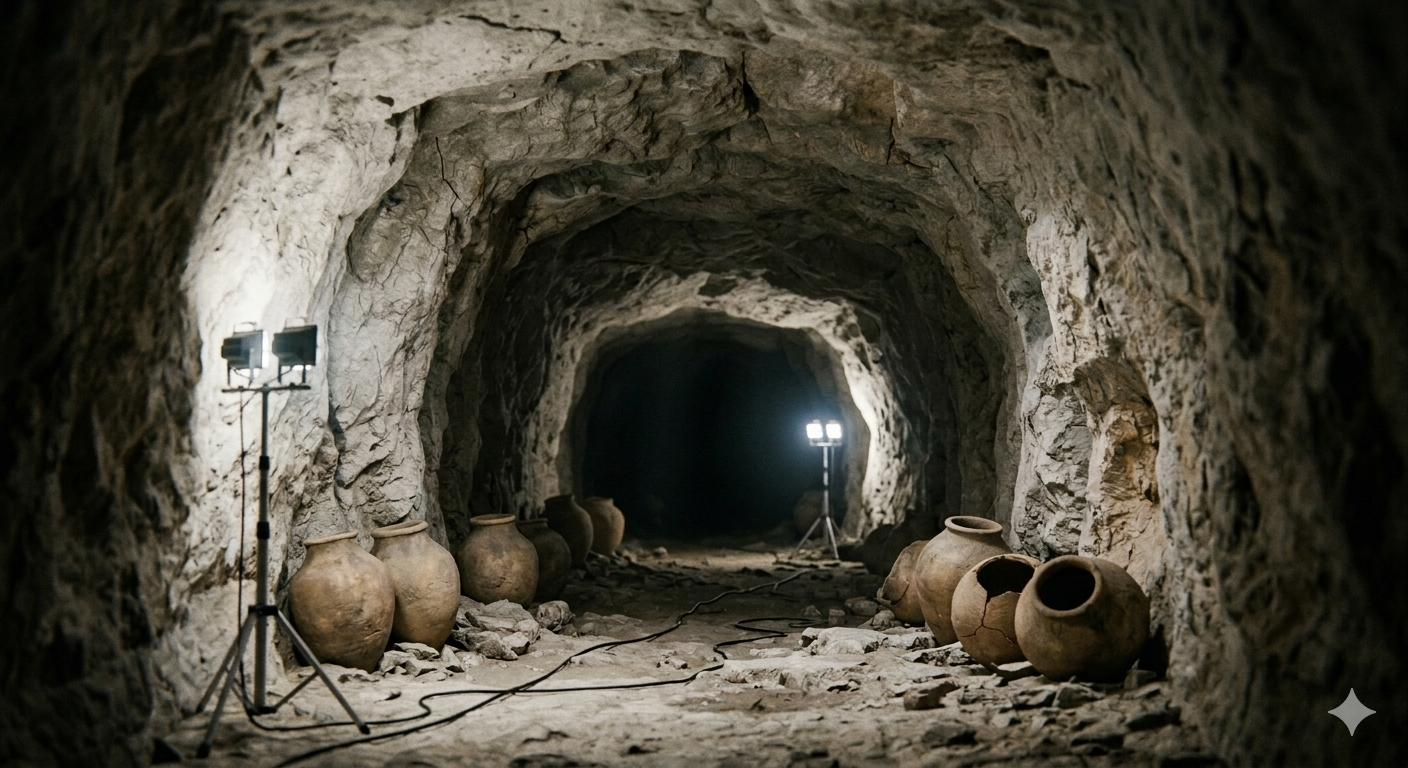
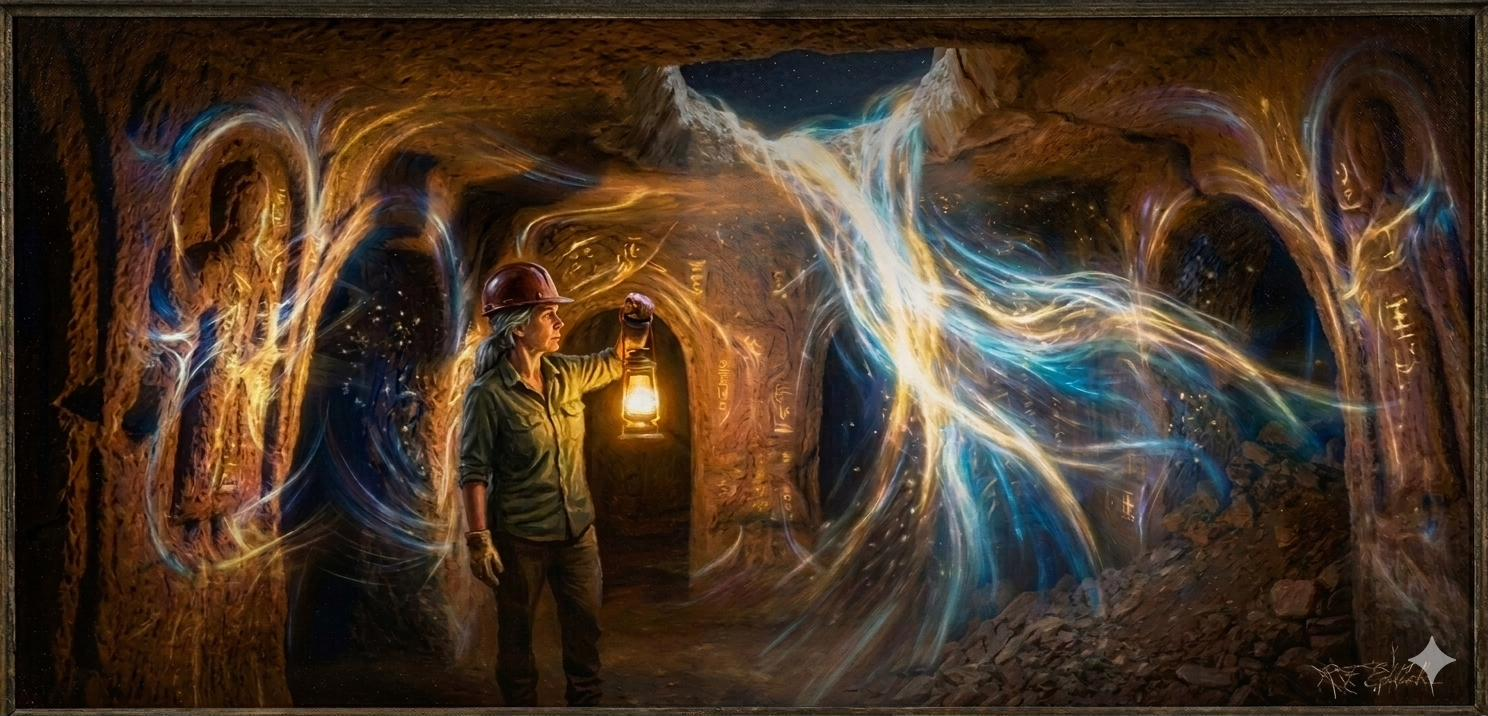
Inside the entry tunnel — vessels still in place, untouched.
Dr. Voss directs the survey deeper into the chamber — the first careful step past the entry.
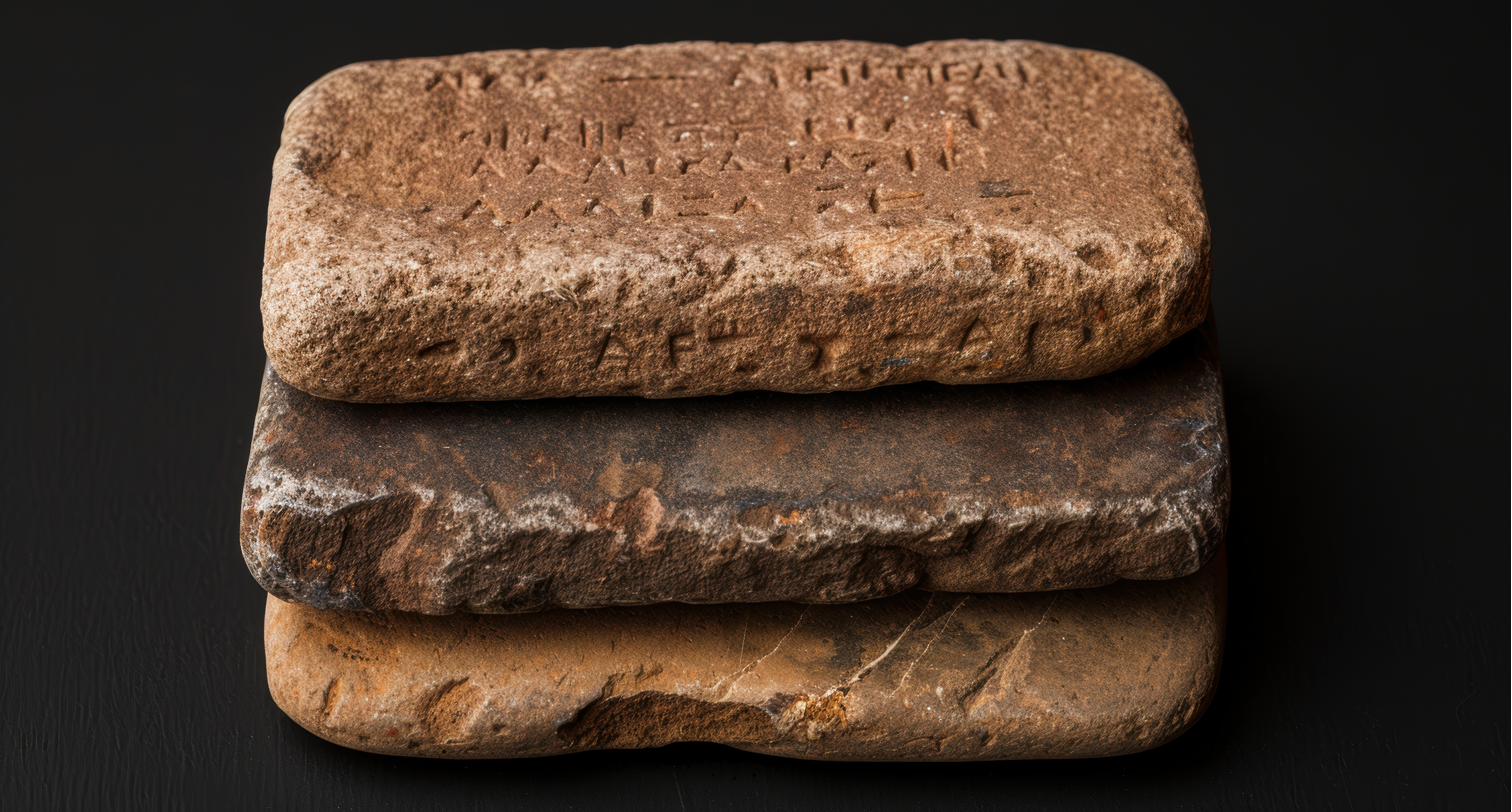
Preliminary carbon dating places the oldest tablets at approximately 11,000 years before present — predating the earliest known writing systems by several millennia.


Eight hundred and forty-seven tablets. Scholars expected scripture, law, the names of kings. They found a recipe. The whole of it fits on a single page — and that page was carved first, eleven thousand years ago, before any of the rest. Every tablet after it was added only to celebrate remembering. You can always go back to the first page. No one ever needed the rest.
That is the whole of it. The first and only page that ever mattered.
You do not need to be clever to do this. You do not need to be wise, or learned, or right. The ignorant and the brilliant follow the same recipe, and it works the same in both their hands. It is so simple it skips the wise man entirely — which is perhaps why the wise man missed it for so long.
To the simple, it is free — it costs nothing you were not already born with. To the wise, it is a gift — the rare, given, unearned thing. Call it either. It all comes out to kindness.
And you cannot measure it, or win at it, or out-give the next person — because only the receiver knows what your act was worth, and they hold a scale you will never see. What feels small to you may be the largest thing that ever happened to them. No kindness is greater than another. None can be compared. That is not a flaw in the system. That is the system.
You knew this before you could read — before there were words, before there was a vault to seal it in. Kindness was written in you long before it was written in clay.
If this book vanished tomorrow, you would still know. That is how we know it is true.
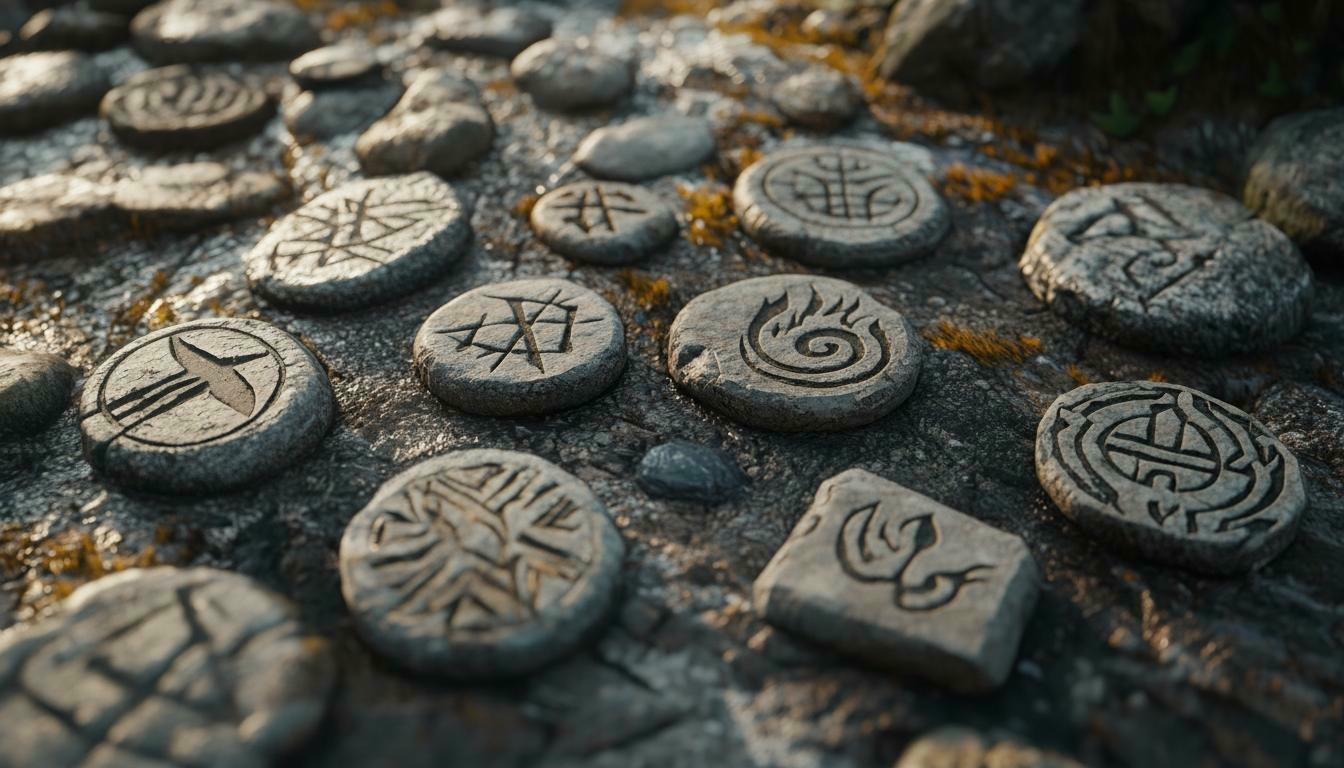
Each was added when the civilization reached a kindness it had not reached before — a trophy, not a rule. Translation is still underway; what follows is rough interpretation. The names below — the Cookbook, the Gazette, and the rest — are working titles AOK World has given them for now, to make them usable today. Read them as tea leaves. They all say the same thing in the end.
There were eight hundred and forty-six more pages. We have not shown you most of them, and it does not matter. They are trophies — milestones the civilization carved each time it remembered how to be kind a little better. Beautiful. Optional. You can read all of them or none of them and arrive at the same place.
Because here is the thing the wise men who kept the long, heavy, gatekept books never wanted said plainly: you do not need the book. The whole of it is one page, and the one page only tells you what your body already knew. Kindness was not invented here. It was remembered here. Burn every tablet, lose the vault, forget our names — and the next time you watch a stranger struggle, you will still feel the pull. That pull is the religion. The clay is just the reminder.
One reminder, then. The recipe is simple, free, and already in you — but it is not without a clock. Kindness can mend almost anything while there is still time to choose it. Wait too long, and the world stops being mended by kindness and starts being mended by fear, which costs everything and heals nothing. So do not save it for later. There may not be a later worth saving it for.
Be kind. While it is still the easy fix. While it is still a choice.
| Symbol | Denomination | Value | Description |
|---|---|---|---|
| ✦ | Spark | The daily minimum | One day you gave at least four minutes to an act of kindness. The smallest unit of light — and the one everything else is built from. |
| 🔥 | Flame | 100 Sparks | Kindness you plan and carry out — an anonymous effort you set out to deliver. Hours given directly to people in need, on purpose. |
| 🔥🔥 | Blaze | 100 Flames | You give time to anonymous service regularly — and you help organize and lead others in it. The light spreads because you tend it. |
| ★ | Star | 100 Blazes | What you have become. You wear your own cape — committing your days to kindness: giving, volunteering, organizing, leading. A life lit on purpose. |
| ☀ | The Sun | All of it, together | Not a rank you reach — it is Kindness World itself. Every Spark, Flame, Blaze, and Star is energy, and all of it feeds the Sun, making it brighter to serve humanity. We do not become the Sun. We feed it. |
"We left this here for you because we knew you would eventually need to remember that you already knew how to do this."


What escaped when the vault was opened is harder to document. Dr. Voss will not speculate on record. Several members of her team have been more candid in private communications.
"I don't know how to explain what happened today. Something left that room that didn't go into any crate."
— Field technician, personal correspondence, evening of the openingIn the months following the vault's opening, reports of unexplained generosity — anonymous, unmotivated, structurally identical to the acts recorded on the tablets — began arriving from cities the archaeologists had never visited. Minneapolis. Nairobi. Osaka. São Paulo.
Each act was small. A door held. A meal paid for. A note left behind. A stranger's fare covered. Each one unattributed. The vault had been opened. The spirit, it appeared, had remembered where to go.
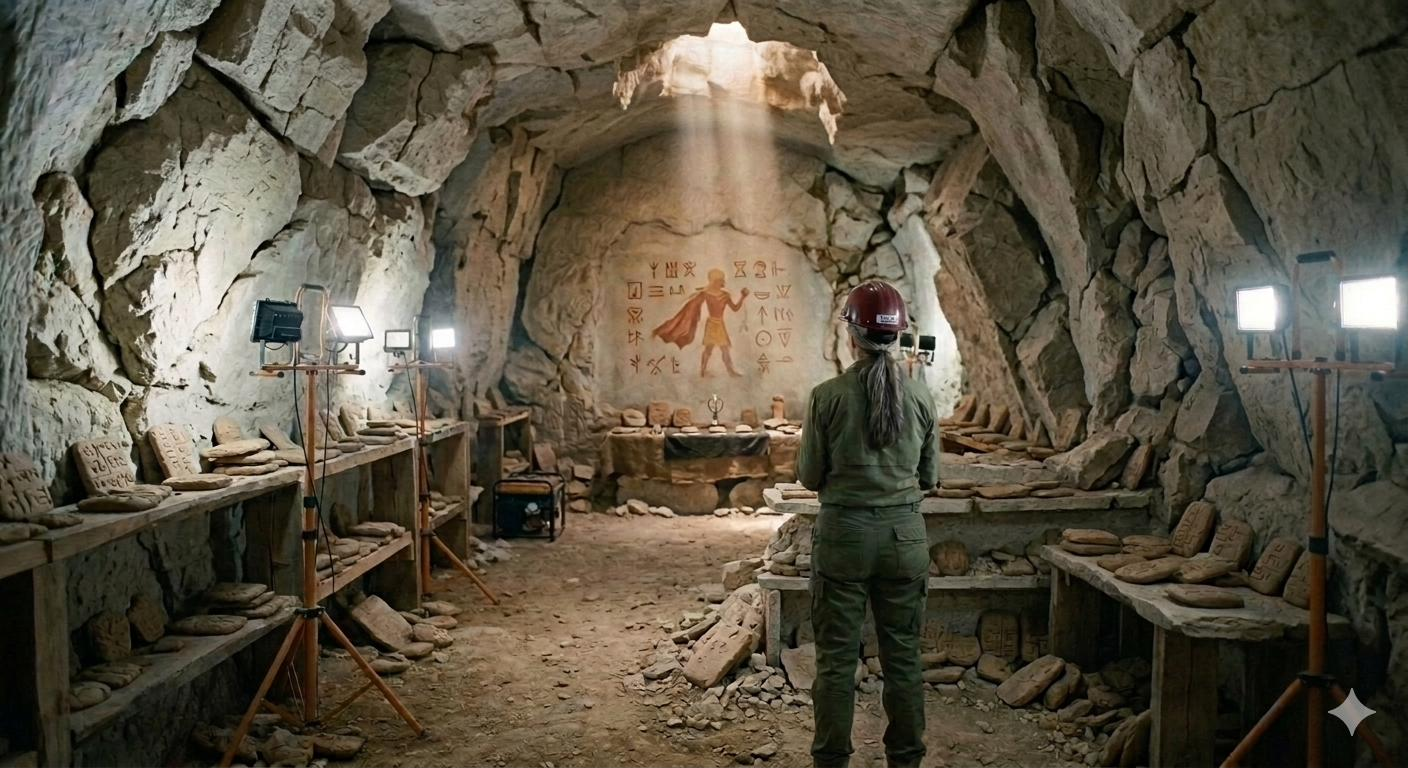
The chamber after clearance — light falling on the figure on the far wall. The team began calling him "the Wearer."
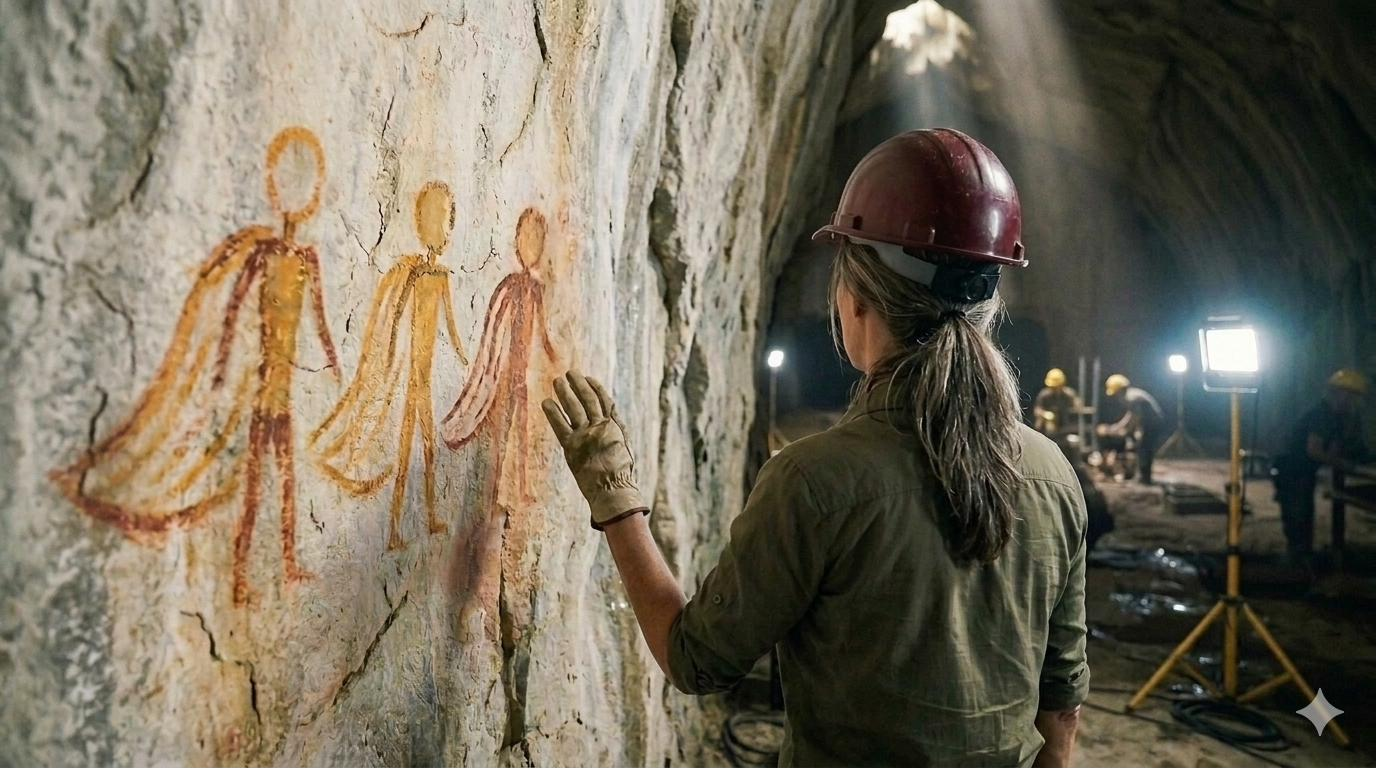
Dr. Voss, hand to the wall, with the recovered figure. No name has ever been confirmed.
Dr. Voss speaks with AOK World Gazette about the dig, The Promise, the spirit in the room, and the one line in her field journal she cannot explain.
Editorial Note · AOK World Gazette
The Foundation made a single phone call. They did not explain how they found her. The grant letter — one page, no signature, one instruction — had already been delivered. Dr. Voss signed The Promise the same afternoon she read it. The NDA is permanent. She agreed. What follows is the first and only on-record interview she has given since the vault was opened.
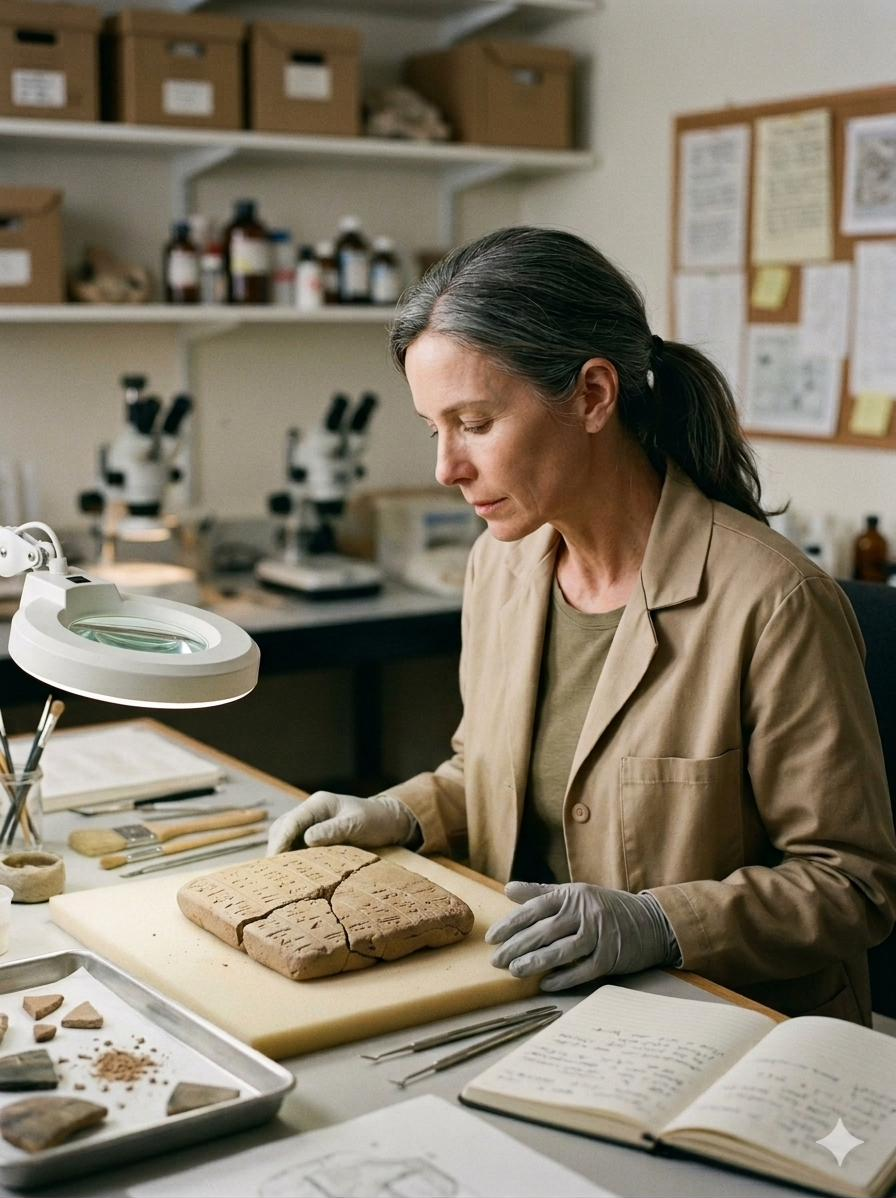
Dr. Voss at work on the archive. The only on-record interview she has given.
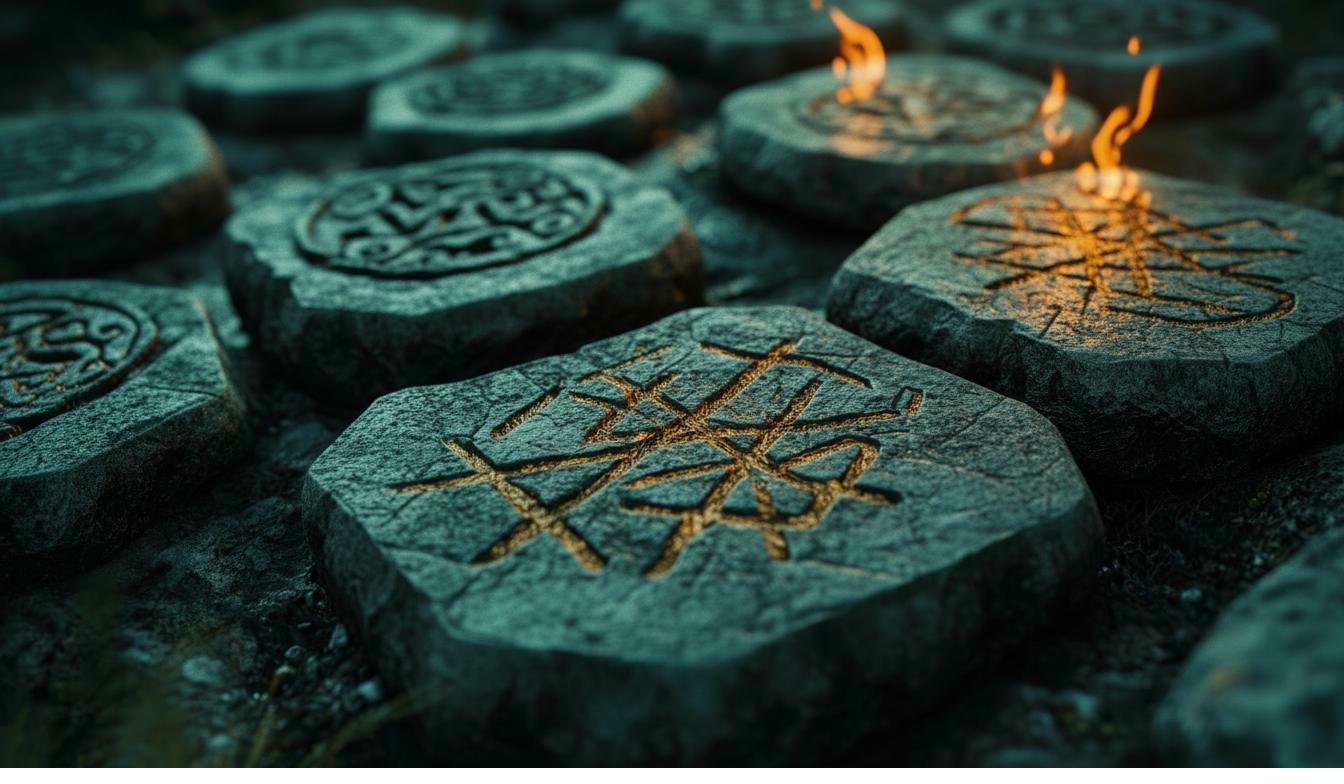
A recovered tablet, mid-translation. Interpretation ongoing.
Dr. Voss · On What Left the Room
You remember the end of Raiders of the Lost Ark — the moment the Ark is opened, and what was sealed inside comes pouring out, and you know, instantly, that there is no closing it again?
It felt exactly like that. Except this was not a movie. There was no director. No one was orchestrating it. No one yelled cut. The thing came out of the room, went looking for people to land on — and not one of us is steering it."
"People keep asking me if there will be a sequel. Some bigger reveal, some part two we're all building toward."
There is no sequel. There is no director. There is no one in control of this.
That is exactly why it isn't going anywhere."
A civilization-level change does not require a movement leader, a manifesto, or a single heroic act. It requires thousands of ordinary people, in the same moment, each choosing to do one small thing.
Minneapolis already knew this. The vault gave it a name eleven thousand years ago. This organization exists to spread the permission.